When the power suddenly cuts out or you smell burning from a socket, knowing what to do in an electrical emergency can mean the difference between a quick fix and a dangerous disaster. Electrical faults can happen anywhere — at home, in the office, or even in your holiday rental — and the wrong reaction can make things worse. Staying calm, acting fast, and knowing who to call are key to keeping everyone safe and preventing costly damage.
Whether it’s a flickering light, a tripped switchboard, or a complete power failure, this guide walks you through the right steps to take during an electrical emergency — and when it’s time to call in the professionals.
Recognising an Electrical Emergency
Not every power problem is an emergency — but some are. Understanding the signs of a serious fault is the first step in protecting your property and everyone inside it. Common signs of an electrical emergency include:
Burning smells or scorch marks near outlets or appliances
Power points or switches that feel hot to touch
Sparks or visible smoke from outlets
Frequent tripping of circuit breakers
Sudden power loss in parts (or all) of your home or business
Buzzing or crackling noises from electrical panels
Electric shocks, even mild ones, from switches or appliances
If you notice any of these signs, don’t ignore them. Electrical systems rarely fix themselves — and what seems like a small issue can escalate quickly.
Step 1: Stay Calm and Assess the Situation
The first and most important rule in an electrical emergency is to stay calm. Panic can lead to rushed decisions that make the situation worse. If it’s safe to do so, identify where the issue is happening — for example, a single outlet, an appliance, or a whole section of the property.
If smoke or flames are visible, do not use water to extinguish anything. Water conducts electricity and can cause severe shock. Instead, if you have a dry powder or CO₂ fire extinguisher, use that — but only if the fire is small and manageable. Otherwise, evacuate immediately and call 000.
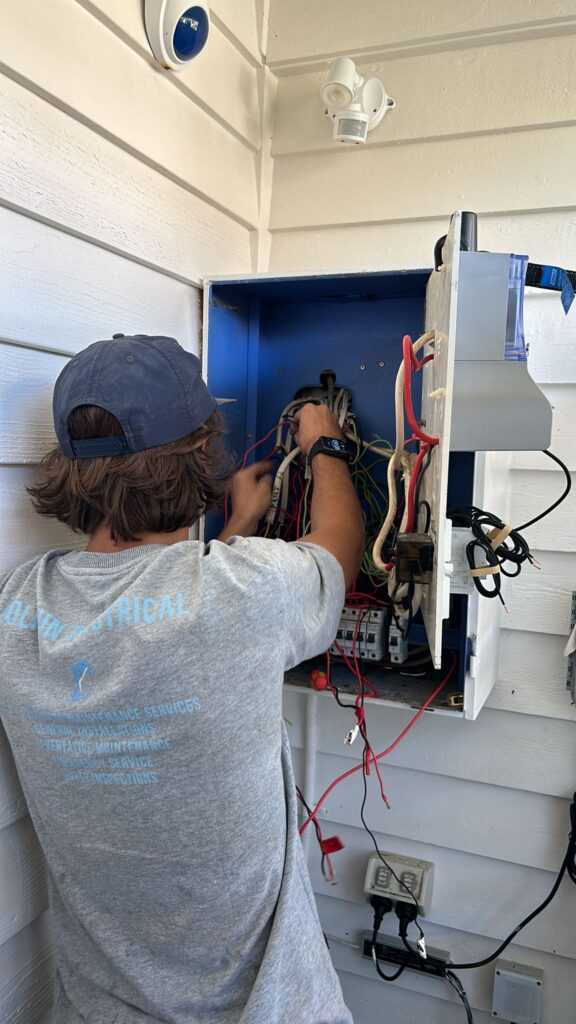
If you suspect a wiring fault or overloaded circuit, cut the power at the main switch on your switchboard. Turning off the main power isolates electricity to the entire property and can prevent further damage until help arrives.
Step 2: Evacuate if There’s Any Risk
Safety always comes before property. If there’s smoke, fire, or a risk of electrocution, get everyone out of the building immediately. Do not touch exposed wires, wet surfaces, or any metal objects that may be conducting current.
Once outside, call emergency services — or if the danger has passed and you just need professional help, call our team for 24h assistance on 0401 536 205 we will arrive quickly, and safely manage the situation.
For business owners, make sure your staff and customers are aware of emergency exit points. Keep electrical panels and switchboards easily accessible (and clearly labelled) so power can be shut off quickly if needed.
Step 3: Contact a Licensed Emergency Electrician
Once you’ve ensured everyone’s safety, your next step should be to call a qualified electrician. Avoid trying to fix or inspect electrical components yourself — even turning screws or removing panels can be risky if you’re unsure what’s live.
A licensed electrician can:
Safely inspect your system for faults or damage
Repair or replace wiring, switches, or fittings
Restore power safely and ensure compliance with Australian Standards
Identify the root cause (for example, water damage, overloading, or faulty appliances)
Our team can respond 24/7 to emergency call outs, servicing the Byron Bay Area, Bangalow, Lennox Head, Ballina and Alstonville.
Step 4: Don’t Reset the Power Until It’s Safe
It’s tempting to flip the main switch back on as soon as the lights go out — but resist the urge until you’re sure it’s safe. If your switchboard tripped, it means it detected an overload or fault somewhere in your system.
Turn off all appliances and devices before resetting the main breaker. Then, switch it back on slowly, circuit by circuit, to identify where the fault may be. If the breaker trips again immediately, leave it off and call a professional.
This simple precaution can prevent further damage and give your electrician a clear starting point for diagnosing the problem.
Common Causes of Electrical Emergencies
Understanding what causes electrical faults can help prevent them in the future. The most common reasons for an electrical emergency include:
Overloaded Circuits – Plugging too many appliances into one outlet or circuit can cause overheating.
Faulty Appliances – Old or damaged devices can short-circuit and trip the switchboard.
Water Damage – Common in coastal areas, water and salt corrosion can affect outlets and wiring.
Rodent Damage – Mice and rats can chew through insulation, exposing live wires.
Poor Workmanship – DIY electrical work or unlicensed repairs are a major cause of dangerous faults.
Homeowners and businesses can reduce risk by scheduling regular electrical inspections — especially before peak summer rental seasons or after storm activity.
Step 5: Know When to Call 000
Not every electrical emergency needs emergency services — but some definitely do. Call 000 immediately if:
There’s visible fire or heavy smoke
Someone has received an electric shock
You smell strong burning or see melted wiring
Power lines are down or sparking outside your property
If it’s safe to do so, turn off the main switch before exiting the property. Then, wait for emergency services or your electrician to arrive — and keep everyone clear of the danger zone.
Step 6: After the Emergency – Inspect and Repair
Once the immediate danger has passed, your electrician will assess the full system. This includes inspecting switchboards, outlets, and wiring to ensure everything is safe before restoring power.
If the cause was water damage, for instance, our electricians may recommend drying out affected areas and replacing corroded fittings. In some cases, they may suggest a switchboard upgrade or surge protection to prevent future incidents.
For businesses, this is also a good time to review safety protocols. Keep an updated list of emergency contacts (including a 24/7 electrician), train staff in safe shutdown procedures, and ensure fire extinguishers and RCDs (safety switches) are regularly tested.
Electrical Safety for Homes and Businesses
Preventing an emergency is always better than reacting to one. A few proactive measures can dramatically improve electrical safety for homes and businesses:
Install Safety Switches: RCDs detect faults and cut power instantly.
Book Annual Inspections: Regular testing can uncover hidden issues before they escalate.
Avoid Overloading Outlets: Spread high-draw appliances across circuits.
Replace Old Wiring: Especially in older Byron Bay homes where insulation may be brittle or degraded.
Use Surge Protection: Essential for homes with solar systems or sensitive electronics.
Label Switchboards Clearly: Makes isolating power faster during an emergency.
By investing in these small precautions, homeowners and business owners can prevent 90% of the most common electrical emergencies — and save thousands in potential repair costs.
The Role of a Local Emergency Electrician
Choosing a reliable local expert isn’t just convenient — it’s smart. Our trusted emergency electricians know how to respond quickly to the types of electrical issues common in your area. For Byron Bay and the Northern Rivers, that often means weather-related surges, storm damage, or humidity corrosion in coastal switchboards.
Whether it’s a blackout at your café in town or a tripped circuit at your Airbnb in Lennox Head, having a dependable local contact means you can act fast and confidently.
Peace of Mind Through Prevention
No one wants to face an electrical emergency, but being prepared makes all the difference. Knowing what to do — and who to call — can turn a potentially dangerous event into a manageable inconvenience.
For homeowners, regular maintenance and inspections are your best defence. For business and Airbnb owners, it’s about duty of care — protecting guests, staff, and property while keeping operations running smoothly.
In both cases, the message is clear: don’t wait for a problem to happen. Build a relationship with a licensed, local electrician before you need one.
Conclusion
Electrical emergencies don’t wait for a convenient time — they happen suddenly and often when you least expect them. Whether it’s a tripped circuit, a sparking outlet, or complete power loss, knowing what to do in an electrical emergency keeps you and your property safe.
Turn off the power, stay calm, and call a qualified professional. A trusted emergency electrician can quickly diagnose and repair faults, ensuring compliance, safety, and peace of mind.
For ongoing electrical safety for homes and businesses, schedule regular inspections and upgrade outdated systems before issues arise. It’s a small investment that prevents big problems — and keeps your home or business powered, protected, and ready for whatever comes next.
Read our reviews. More information.